
High blood pressure is one of the most common health conditions affecting adults, yet many people do not realise they have it. Often called the “silent killer,” high blood pressure can damage the heart, brain, kidneys and blood vessels over time without causing noticeable symptoms.
Many people search for symptoms of high blood pressure when they experience headaches, dizziness or unusual tiredness. However, these symptoms do not always indicate hypertension, and many people with high blood pressure feel completely normal.
The only reliable way to know whether your blood pressure is elevated is to have it measured. Regular blood pressure checks, a healthy lifestyle and timely medical care can help reduce the risk of serious complications.
In this article, we discuss 7 symptoms of high blood pressure you should know, when to seek medical attention, common risk factors and practical ways to manage your blood pressure.
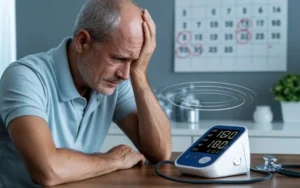
Know the warning signs of high blood pressure.
What Is High Blood Pressure?
High blood pressure, also known as hypertension, occurs when the force of blood against the walls of your arteries remains higher than normal over time.
Blood pressure is measured using two numbers:
- Systolic pressure: The pressure in your arteries when your heart contracts and pumps blood.
- Diastolic pressure: The pressure in your arteries when your heart relaxes between beats.
For example, a reading of 120/80 mmHg represents a systolic pressure of 120 and a diastolic pressure of 80.
The threshold used to diagnose hypertension can vary by clinical guideline. Under commonly used US guidelines, blood pressure consistently at or above 130/80 mmHg is considered high. The World Health Organization generally defines hypertension in adults as readings of 140/90 mmHg or higher on measurements taken on two different days. Your doctor will interpret your readings according to the applicable clinical guidelines and your individual health circumstances.
High blood pressure often develops gradually. Without appropriate management, it can increase the risk of heart disease, heart attack, stroke and kidney disease..
7 Symptoms of High Blood Pressure You Should Know
Important: High blood pressure usually has no noticeable symptoms. The following symptoms may occur in some people, particularly when blood pressure is severely elevated or complications develop. They cannot confirm hypertension on their own.
1. Frequent or Severe Headaches
Frequent headaches are a common concern among people who suspect they have high blood pressure. However, ordinary headaches are not a reliable sign of hypertension.
Very high blood pressure may be associated with a severe headache, particularly when a hypertensive emergency or other complication occurs.
Watch for headaches that are unusually intense, sudden or accompanied by other concerning symptoms.
When should you be concerned?
- A sudden, extremely severe headache.
- A severe headache accompanied by blurred vision.
- A headache with confusion, weakness or difficulty speaking.
- A persistent headache that is unusual for you.
A sudden, severe headache or a headache accompanied by neurological symptoms requires immediate medical assessment. Do not assume that it is caused by high blood pressure without evaluation.
2. Dizziness or Lightheadedness
Dizziness or lightheadedness can occur for many reasons, including dehydration, low blood pressure, medication effects and inner-ear problems.
Although dizziness is often associated with hypertension in public discussions, it is not a reliable way to identify high blood pressure. Some people with hypertension experience no dizziness at all.
If you repeatedly feel dizzy, arrange a medical assessment to identify the cause.
Seek emergency help if dizziness occurs with chest pain, severe breathlessness, fainting, sudden weakness or difficulty speaking.
3. Blurred Vision or Other Vision Changes
Uncontrolled high blood pressure can damage the small blood vessels in the eyes. This condition, known as hypertensive retinopathy, may affect vision.
Vision changes can also result from other eye conditions or neurological problems, so they should not automatically be attributed to hypertension.
Possible warning signs include:
- Blurred or distorted vision.
- Sudden changes in eyesight.
- Difficulty seeing clearly.
- Vision changes accompanied by a severe headache.
Sudden vision loss or a sudden change in vision requires urgent medical assessment. Regular eye examinations and blood pressure monitoring can help identify problems before serious damage develops.
4. Shortness of Breath
Shortness of breath is not a typical early symptom of uncomplicated high blood pressure. However, severe hypertension can contribute to heart problems, including heart failure, which may cause breathing difficulties.
You may notice breathlessness during everyday activities, while lying down or even at rest if an underlying heart or lung condition is present.
Do not ignore unexplained breathing difficulties, particularly if they worsen or occur with other symptoms.
Seek emergency care immediately if you experience severe or sudden breathlessness, especially with chest pain, fainting or cold sweating.
5. Chest Pain or Tightness
Chest pain should never be ignored. Although it is not a reliable early symptom of high blood pressure itself, it may indicate a serious heart problem associated with hypertension.
Long-term high blood pressure places additional strain on the heart and blood vessels. Over time, this can contribute to coronary artery disease and other cardiovascular complications.
Warning signs include:
- Pressure, squeezing or tightness in the chest.
- Pain spreading to the arms, shoulders, jaw or back.
- Chest discomfort accompanied by sweating or nausea.
- Chest pain with shortness of breath or lightheadedness.
If you experience possible heart attack symptoms, call emergency services immediately. In India, dial 112 for emergency assistance. Do not wait for the pain to disappear or attempt to diagnose the cause yourself.
6. Unusual Fatigue or Weakness
Feeling unusually tired can be associated with numerous conditions, including poor sleep, anaemia, thyroid disorders, infections and heart problems.
Fatigue is not a specific symptom of high blood pressure. However, persistent tiredness should be assessed if it is unexplained, continues over time or interferes with daily activities.
Consult a doctor if fatigue occurs alongside breathlessness, chest discomfort, swelling in the legs or other new symptoms.
A medical assessment can help determine whether an underlying condition needs treatment.
7. Nosebleeds
Nosebleeds are another symptom commonly linked to high blood pressure. However, most nosebleeds are caused by factors such as dry air, irritation, allergies or injury to the inside of the nose.
A nosebleed alone does not establish that a person has hypertension. Some people with very high blood pressure may experience nosebleeds, but the relationship is not straightforward.
If you experience recurrent nosebleeds, arrange a medical assessment and consider having your blood pressure checked.
For a nosebleed, sit upright, lean forward and pinch the soft part of your nose continuously for 10–15 minutes. Seek urgent care if bleeding is heavy, follows a serious injury or does not stop with appropriate first aid.
Can You Have High Blood Pressure Without Symptoms?
Yes. Most people with high blood pressure do not experience obvious symptoms, even when their readings are significantly elevated.
This is why hypertension is often called the “silent killer.” A person may feel healthy while high blood pressure gradually damages their blood vessels and vital organs.
You should not wait for headaches, dizziness or other symptoms before checking your blood pressure.
Regular screening is particularly important if you have diabetes, kidney disease, a family history of hypertension, excess body weight or other cardiovascular risk factors.
A doctor may recommend repeated measurements at home or ambulatory blood pressure monitoring to confirm a diagnosis.
What Causes High Blood Pressure?
Although the symptoms of high blood pressure are often absent, factors such as excess salt intake, physical inactivity, family history, diabetes and kidney disease can increase your risk of developing hypertension
High blood pressure can develop due to a combination of genetic, lifestyle and medical factors.
Common risk factors include:
- High salt intake: Excess sodium can contribute to raised blood pressure.
- Physical inactivity: A sedentary lifestyle can increase cardiovascular risk.
- Excess body weight: This can place additional strain on the cardiovascular system.
- Family history: Having close relatives with hypertension increases your risk.
- Increasing age: The risk of developing hypertension generally increases with age.
- Diabetes and kidney disease: These conditions are associated with a higher risk of hypertension.
- Smoking and tobacco use: These damage blood vessels and increase cardiovascular risk.
- Excessive alcohol consumption: This can contribute to elevated blood pressure.
- Certain medicines: Some medicines, including certain decongestants and anti-inflammatory drugs, can raise blood pressure in some people.
Sometimes, high blood pressure develops because of an underlying medical condition. Your doctor can determine whether additional tests are necessary.
When Should You See a Doctor for High Blood Pressure?
You should arrange a medical consultation if your blood pressure readings are repeatedly above the recommended range, even if you feel well.
A doctor can review your readings, assess your risk factors and recommend appropriate lifestyle changes, investigations or medication.
Seek emergency medical attention if you have severe symptoms such as chest pain, difficulty breathing, sudden weakness, confusion, difficulty speaking or sudden vision changes. These may indicate a serious medical emergency.
If your blood pressure reading is above 180/120 mmHg:
- If you have no emergency symptoms, wait at least one minute and measure it again.
- If the reading remains that high, contact a healthcare professional immediately for urgent guidance.
- If the reading is that high and you also have chest pain, breathlessness, weakness, numbness, vision changes or difficulty speaking, call emergency services immediately.
Do not delay emergency care while repeatedly checking your blood pressure.
How Can You Control High Blood Pressure Naturally?
Lifestyle changes can help prevent and manage high blood pressure. Some people also need medication prescribed by a doctor.
1. Reduce Salt Intake
Limit excess salt in your meals and reduce frequent consumption of packaged snacks, processed foods, pickles and other foods that contain high amounts of sodium.
2. Eat a Balanced Diet
Include vegetables, fruits, whole grains, pulses, nuts and other nutrient-rich foods. Limit foods high in saturated fat and excessive added salt.
3. Exercise Regularly
Walking, cycling, swimming and other suitable physical activities can support cardiovascular health. Adults should generally aim for at least 150 minutes of moderate-intensity physical activity each week, if appropriate for their health.
4. Maintain a Healthy Weight
If you are above your recommended weight, gradual and sustainable weight management may help lower blood pressure.
5. Avoid Tobacco and Limit Alcohol
Avoid smoking and tobacco products. Limiting or avoiding alcohol can also help support healthier blood pressure.
6. Manage Stress and Sleep Well
Relaxation techniques, regular sleep schedules and healthy daily routines can support overall health. Persistent stress should not be assumed to be the only cause of high blood pressure.
7. Monitor Your Blood Pressure
Use a validated blood pressure monitor and follow the correct measurement technique. Record your readings and discuss them with your doctor.
Never stop or change prescribed blood pressure medication without medical advice. Lifestyle changes are helpful, but they do not replace necessary treatment.
Frequently Asked Questions About High Blood Pressure
1. What are the first symptoms of high blood pressure?
Most people do not experience any early symptoms. Some may have headaches, blurred vision or other symptoms when blood pressure is severely elevated, but these cannot reliably diagnose hypertension. A blood pressure measurement is essential.
2. How do I know if my blood pressure is high?
The only reliable way to know is to measure it using a blood pressure monitor. A healthcare professional may recommend multiple readings on different occasions to confirm the diagnosis.
3. Can high blood pressure cause headaches every day?
Headaches can have many causes and are not a reliable indicator of hypertension. Frequent or severe headaches should be evaluated by a doctor, especially if they are new or accompanied by other symptoms.
4. What blood pressure reading is dangerous?
A reading above 180/120 mmHg is severely elevated and requires prompt medical attention. If it occurs with chest pain, breathlessness, neurological symptoms or vision changes, seek emergency care immediately.
5. Can drinking water reduce high blood pressure?
Drinking enough water supports normal body function, but water alone is not a treatment for hypertension. Blood pressure management may require dietary changes, physical activity, medication and regular medical monitoring.
6. Which doctor should I consult for high blood pressure?
You can begin with a general physician or internal medicine specialist. A cardiologist may be appropriate when you have associated heart problems or need specialist cardiovascular assessment. A nephrologist may be involved when kidney disease contributes to hypertension.
7. What are the most common symptoms of high blood pressure?
Most people with high blood pressure do not experience noticeable symptoms. Severe hypertension may be associated with symptoms such as a severe headache, vision changes, chest pain or breathlessness, but blood pressure measurement is the only reliable way to identify hypertension.
Also Read: High blood pressure (hypertension)
Conclusion
Understanding the symptoms of high blood pressure and checking your blood pressure regularly can help you take timely steps to protect your heart and overall health
High blood pressure often develops without noticeable symptoms, making regular screening essential. Headaches, dizziness, vision changes, shortness of breath, chest discomfort, unusual fatigue and nosebleeds may occur for various reasons, but none of these symptoms alone can confirm hypertension.
Understanding the possible warning signs, monitoring your blood pressure and seeking timely medical advice can help reduce the risk of serious complications such as heart disease, stroke and kidney damage.
If you have repeated high blood pressure readings or concerns about your cardiovascular health, consult a qualified doctor at Maiya Hospital, Jayanagar, Bengaluru, for an appropriate assessment and personalised care.
Medical disclaimer: This article is for educational purposes only and does not replace professional medical advice, diagnosis or treatment. Have the content reviewed by a qualified doctor before publication.