
Some women experience only mild symptoms, while others may find that menopause affects their sleep, mood, energy levels, and daily activities. Understanding the common symptoms of menopause can help women recognise these changes and find suitable ways to manage them.
In this article, we explore 10 common menopause symptoms, their possible causes, and practical ways to manage them.
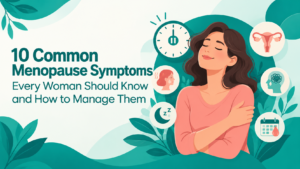
10 Common Menopause Symptoms Every Woman Should Know and How to Manage Them.
What Is Menopause?
Menopause is the point at which a woman has gone 12 consecutive months without a menstrual period, provided there is no other medical explanation for the absence of periods.
The transition leading up to menopause is called perimenopause. During this stage, hormone levels fluctuate, and menstrual cycles may become irregular. Symptoms can begin several years before periods stop completely and may continue after menopause.
Although menopause is a natural biological process, its symptoms can sometimes interfere with everyday life. Recognising these changes and seeking medical advice when necessary can help women manage this stage more comfortably.
1. Hot Flashes
Hot flashes are among the most common symptoms of menopause. They cause a sudden feeling of warmth, particularly around the face, neck, and chest. Some women may also experience sweating, skin redness, or a rapid heartbeat.
Hot flashes can last for a few seconds to several minutes and may occur during the day or night. Their frequency and intensity vary from person to person.
How to Manage Hot Flashes:
-
Wear lightweight, breathable clothing.
-
Keep your bedroom cool and well ventilated.
-
Use a fan or cool water when a hot flash begins.
-
Identify and limit personal triggers, such as spicy foods, caffeine, or alcohol, if they worsen symptoms.
-
Discuss prescription treatments or hormone therapy with a healthcare professional if symptoms are severe.
2. Night Sweats
Night sweats are episodes of excessive sweating during sleep. They may be accompanied by a sudden feeling of heat and can sometimes soak nightclothes or bedding.
These episodes can interrupt sleep and leave women feeling tired or irritable the following day. Night sweats are closely associated with the hormonal changes that occur during menopause.
How to Manage Night Sweats:
-
Keep the bedroom at a comfortable temperature.
-
Choose breathable sleepwear and lightweight bedding.
-
Keep water nearby to stay comfortable after sweating.
-
Maintain a consistent sleep schedule.
-
Consult a doctor if night sweats are persistent, severe, or accompanied by symptoms such as unexplained weight loss or fever.
3. Irregular Periods
Changes in menstrual cycles are common during perimenopause. Periods may become shorter, longer, lighter, or heavier, and the time between cycles may vary.
These changes occur as the ovaries gradually produce less predictable amounts of reproductive hormones. Eventually, menstrual periods stop completely.
How to Manage Irregular Periods:
-
Track menstrual dates, flow, and any associated symptoms.
-
Maintain a record of unusually heavy or prolonged bleeding.
-
Eat a balanced diet and stay physically active.
-
Seek medical advice if bleeding is unusually heavy, occurs between periods, or happens after sex.
-
Always consult a healthcare professional about any bleeding that occurs after menopause.
Heavy bleeding should not automatically be attributed to menopause, as other conditions may require investigation.
4. Sleep Problems and Insomnia
Difficulty falling asleep, waking frequently during the night, and waking too early are common complaints during the menopause transition. Hot flashes, night sweats, stress, and mood changes may all contribute to sleep disturbances.
Poor sleep can affect concentration, energy, emotional well-being, and productivity.
How to Manage Sleep Problems:
-
Go to bed and wake up at consistent times.
-
Keep your bedroom cool, dark, and quiet.
-
Reduce screen time before bedtime.
-
Avoid caffeine late in the day.
-
Try relaxation techniques, such as gentle breathing or meditation.
-
Speak to a healthcare professional if sleep problems continue to affect your daily life.
Cognitive behavioural therapy for insomnia may help women who experience persistent sleep difficulties.
5. Mood Swings and Irritability
Hormonal fluctuations during perimenopause can coincide with mood changes, irritability, anxiety, and increased emotional sensitivity. Poor sleep and the stress associated with midlife changes may also contribute.
Not every mood change is caused by menopause, and persistent emotional symptoms deserve attention.
How to Manage Mood Swings:
-
Practise relaxation techniques and mindfulness.
-
Make time for activities you enjoy.
-
Exercise regularly.
-
Maintain social connections and talk to trusted friends or family members.
-
Seek professional support if anxiety, sadness, or irritability becomes persistent or difficult to manage.
If you experience ongoing low mood, loss of interest in daily activities, or significant anxiety, speak to a healthcare professional about appropriate support and treatment.
6. Vaginal Dryness and Discomfort
Declining oestrogen levels can cause the vaginal tissues to become thinner, less elastic, and drier. This may lead to itching, irritation, discomfort during sexual activity, or a burning sensation.
Some women also experience urinary symptoms, including urgency and recurrent urinary tract infections. These changes are part of a condition known as genitourinary syndrome of menopause.
How to Manage Vaginal Dryness:
-
Use a vaginal moisturiser regularly if needed.
-
Consider a water-based or silicone-based lubricant during sexual activity.
-
Avoid fragranced intimate washes and products that may cause irritation.
-
Discuss low-dose vaginal oestrogen or other suitable treatments with a healthcare professional.
These symptoms are common and treatable. Women do not need to tolerate persistent discomfort without seeking help.
7. Reduced Sex Drive
Some women notice a decrease in sexual desire during menopause. Hormonal changes, vaginal dryness, pain during sex, sleep disturbances, stress, and changes in emotional well-being can all contribute.
Sexual desire varies naturally between individuals, and a reduced sex drive is not necessarily a medical problem. However, if the change causes distress, support is available.
How to Manage Reduced Sex Drive:
-
Address vaginal dryness or discomfort.
-
Prioritise rest and stress management.
-
Maintain open communication with your partner.
-
Make time for intimacy without pressure.
-
Consult a healthcare professional if the change is persistent or affecting your quality of life.
A healthcare professional can help identify contributing factors and discuss appropriate treatment options.
8. Brain Fog and Difficulty Concentrating
Some women experience forgetfulness, difficulty concentrating, or a feeling of mental cloudiness during the menopause transition. These changes are often described as brain fog.
Sleep disturbances, stress, mood changes, and hormonal fluctuations may contribute. Occasional forgetfulness does not necessarily indicate a serious memory disorder.
How to Manage Brain Fog:
-
Maintain a regular sleep routine.
-
Exercise regularly.
-
Eat a balanced diet.
-
Use calendars, reminders, and written lists to organise daily tasks.
-
Break complex activities into smaller steps.
-
Seek medical advice if memory problems are persistent, worsening, or interfering with daily activities.
Sudden confusion or an abrupt change in mental function requires urgent medical assessment rather than being attributed to menopause.
9. Joint Pain and Muscle Aches
Joint stiffness, muscle aches, and general body discomfort may occur around menopause. Some women notice increased stiffness in the morning or discomfort after sitting for long periods.
Ageing, physical activity levels, existing joint conditions, and other health factors can also contribute, so these symptoms should not automatically be blamed on hormonal changes.
How to Manage Joint Pain:
-
Engage in regular low-impact activities, such as walking or swimming.
-
Include strength-training exercises appropriate for your fitness level.
-
Stretch gently and avoid remaining in one position for too long.
-
Maintain a healthy weight to reduce unnecessary stress on weight-bearing joints.
-
Seek medical advice if pain is persistent, severe, or accompanied by swelling or redness.
A healthcare professional can help determine whether the pain is related to menopause or another condition.
10. Weight Changes and Changes in Body Shape
Some women notice weight gain or a change in fat distribution during midlife, particularly around the abdomen. Hormonal changes may influence body composition, but ageing, reduced muscle mass, sleep quality, dietary habits, and physical activity also play important roles.
Weight changes can affect confidence and may increase the risk of certain long-term health conditions.
How to Manage Weight Changes:
-
Eat a balanced diet rich in vegetables, fruits, whole grains, and protein sources.
-
Include strength training to help maintain muscle mass.
-
Aim for regular physical activity throughout the week.
-
Prioritise adequate sleep.
-
Limit highly processed foods and sugary drinks where appropriate.
-
Discuss significant or unexplained weight changes with a healthcare professional.
The goal should be to support overall health and strength rather than pursue rapid weight loss.
When Should You See a Doctor About Menopause Symptoms?
Many menopause symptoms can be managed with lifestyle changes and appropriate treatments. However, medical advice is important when symptoms are severe, persistent, or interfere with daily activities.
Consult a healthcare professional if you experience:
-
Hot flashes or night sweats that significantly affect sleep.
-
Persistent anxiety, low mood, or other emotional difficulties.
-
Vaginal or urinary symptoms that cause discomfort.
-
Unusually heavy, prolonged, or unexplained vaginal bleeding.
-
Any vaginal bleeding after menopause.
-
Persistent joint pain, unexplained weight changes, or worsening memory problems.
A healthcare professional can assess your symptoms, consider other possible causes, and recommend suitable treatment options.
Treatment Options for Menopause Symptoms
Treatment depends on the type of symptoms, their severity, your medical history, and your personal preferences.
Menopausal hormone therapy (MHT): Hormone therapy can be an effective treatment for troublesome hot flashes and night sweats. It may also help with certain other menopause-related symptoms. Its benefits and risks vary depending on individual health factors, so a healthcare professional should determine whether it is appropriate.
Vaginal treatments: Vaginal moisturisers, lubricants, and prescription treatments such as low-dose vaginal oestrogen may help relieve vaginal dryness and discomfort.
Lifestyle changes: Regular physical activity, balanced nutrition, good sleep habits, and stress management can support overall health during the menopause transition.
Psychological support: Cognitive behavioural therapy may help some women manage hot flashes, sleep difficulties, and mood-related symptoms.
Individualised medical care: Other medications may be appropriate in certain circumstances. Treatment should be selected with a qualified healthcare professional rather than started without medical guidance.
How to Stay Healthy During Menopause
Menopause is also an opportunity to pay attention to long-term health. Changes in oestrogen levels and the ageing process can affect bone health, cardiovascular risk, and body composition.
Consider the following healthy habits:
-
Eat a balanced diet: Include calcium-rich foods, protein, vegetables, fruits, and whole grains.
-
Stay physically active: Combine aerobic exercise with strength and weight-bearing activities where appropriate.
-
Protect bone health: Discuss calcium, vitamin D, and bone-density assessment with your healthcare professional when indicated.
-
Monitor cardiovascular health: Keep track of blood pressure, cholesterol, and blood sugar as recommended.
-
Avoid smoking: Smoking can increase health risks and may worsen some menopause-related concerns.
-
Attend regular health check-ups: Follow age-appropriate screening recommendations and discuss any new symptoms.
Small, consistent habits can support physical health and overall well-being during and after menopause.
Also Read: Menopause: What It Is, Age, Stages, Signs & Side Effects
Final Thoughts
Menopause is a natural stage of life, but its symptoms can affect women in different ways. From hot flashes and night sweats to irregular periods, vaginal dryness, sleep problems, and mood changes, understanding these symptoms can help women make informed decisions about their health.
There is no single approach that works for everyone. Lifestyle adjustments, medical treatments, and emotional support can all play a role in managing menopause symptoms.
Most importantly, women should not feel they have to cope with severe or disruptive symptoms alone. Speaking with a healthcare professional can help identify suitable treatments and make the transition more comfortable.
Understanding your body, seeking support when needed, and prioritising your health can help you navigate menopause with greater confidence and comfort.
Medical disclaimer: This article is intended for general educational purposes and does not replace professional medical advice, diagnosis, or treatment. Consult a qualified healthcare professional for guidance specific to your symptoms and medical history.