
Back pain is one of the most common health complaints among adults, and a slipped disc is one of its frequent causes. Many people dismiss early symptoms as a muscle strain or a bad sleeping position, which can delay treatment.
In this guide, you’ll learn the five main warning signs of a slipped disc, which symptoms are emergencies, and when to see a doctor.
Warning signs of a slipped disc
What Is a Slipped Disc?
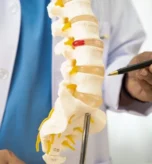
Your spine is made of bones (vertebrae) with soft, cushion-like discs between them. Each disc has a tough outer layer and a softer jelly-like centre.
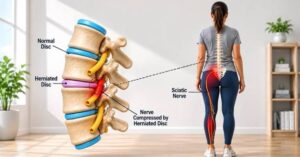
A slipped disc, also called a herniated disc or prolapsed disc, happens when part of the soft centre pushes out through the outer layer. The name is misleading, because the disc does not literally slip out of position. It bulges or ruptures, and this can press on nearby nerves.
A slipped disc can occur anywhere along the spine, but it is most common in the lower back (lumbar spine) and can also occur in the neck (cervical spine).
Some people with a slipped disc have no symptoms at all and only find out through an imaging test. Symptoms usually appear when the disc presses on a nerve.
5 Warning Signs of a Slipped Disc
1. Back or Neck Pain That Spreads to the Leg or Arm
This is the most recognisable sign. Pain from a slipped disc often travels along the path of the pressed nerve:
- Lower back disc: pain in the buttock, thigh, calf or foot. This is commonly called sciatica.
- Neck disc: pain in the shoulder, arm or hand.
The pain is often described as sharp, burning or shooting, and it usually affects one side of the body. Back pain is often the first symptom and may appear before other signs.
2. Numbness or Tingling
When a disc presses on a nerve, you may feel:
- Pins and needles
- A “falling asleep” sensation
- Reduced feeling in the leg, foot, arm or hand
The area of numbness often depends on which nerve is affected, which helps doctors find the location of the problem.
3. Muscle Weakness
A pressed nerve can weaken the muscles it controls. Watch for:
- Difficulty lifting your foot or toes, or tripping or dragging your foot (foot drop)
- A leg that feels like it might give way
- Trouble gripping objects or dropping things (with a neck disc)
- Weakness in the arm
Weakness that is new, getting worse or affecting both legs should be checked promptly. New foot drop needs prompt medical evaluation.
4. Pain That Gets Worse with Certain Movements
Slipped disc pain often changes with posture and activity. It may get worse when you:
- Bend forward or lift something
- Sit for a long time
- Cough, sneeze or strain
- Turn or tilt your neck (with a neck disc)
You may also find it hard to stand up straight or walk for a long time. Pain that eases when you change position, such as lying down, is another common pattern.
5. Loss of Bladder or Bowel Control or Numbness in the Groin Area (Emergency)
This is the most serious warning sign. It can point to cauda equina syndrome, a rare but serious condition where the bundle of nerves at the base of the spinal cord is severely compressed.
Go to the emergency room immediately if you have back pain together with any of these:
- Difficulty passing urine, inability to urinate, or loss of control of bladder or bowels
- Not noticing when your bladder is full
- Numbness around the buttocks, inner thighs, genitals or anus (“saddle numbness”)
- Weakness or numbness in both legs that is getting worse
Cauda equina syndrome is rare, but delayed treatment can lead to permanent nerve damage. Do not wait for an appointment.
What Causes a Slipped Disc?
Most slipped discs develop slowly over time, even when symptoms seem to appear suddenly. Common causes and risk factors include:
- Age-related wear and tear of the discs
- Lifting heavy objects with poor technique
- Sitting for long hours, such as desk jobs and long drives
- Being overweight
- A sedentary lifestyle and weak core muscles
- Repeated twisting or bending
- Smoking
- Family history
- Sudden injury, such as a fall or accident
When Should You See a Doctor?
See a doctor if:
- Pain spreads to your arm or leg
- You have numbness, tingling or weakness
- Pain disturbs your sleep, work or daily activities
- Symptoms last more than a few days or keep coming back
- Symptoms are getting worse
Seek emergency care immediately for loss of bladder or bowel control, saddle numbness or sudden weakness in both legs.
How Is a Slipped Disc Diagnosed?
Your doctor will usually start with:
- Medical history and physical examination, including strength, reflexes and sensation
- MRI scan, the most useful test for seeing discs and nerves
- X-ray or CT scan, to rule out other causes
- Nerve tests, in some cases
Treatment Options for a Slipped Disc
Many people improve over time without surgery. Treatment depends on your symptoms and may include:
- Staying gently active instead of strict bed rest, with walking and light movement
- Pain relief as advised by a doctor
- Physiotherapy and core-strengthening exercises
- Hot or cold packs for comfort
- Spinal injections in selected cases
- Surgery, which is usually considered when symptoms do not improve after several weeks of treatment, when weakness is getting worse, or in emergencies such as cauda equina syndrome
Do not start new medicines or intense exercises without medical advice.
How to Reduce Your Risk of a Slipped Disc
- Maintain a healthy weight
- Strengthen your core and back muscles
- Lift with your knees, not your back
- Avoid sitting for long periods and take short walking breaks
- Set up your desk and chair so your back is supported
- Avoid smoking
- Stay physically active and stretch regularly
Frequently Asked Questions
What are the first signs of a slipped disc?
Often, the first sign is back or neck pain, followed by pain, numbness or tingling that spreads into a leg or arm.
Can a slipped disc heal on its own?
Many cases improve over time with rest from aggravating activities, gentle movement and physiotherapy. Mild symptoms often settle, but you should still get a medical assessment.
Can you push a slipped disc back in?
No. Treatment focuses on reducing pressure on the nerves while your body heals.
How do I know if my back pain is a slipped disc or a muscle strain?
Muscle strain pain usually stays in the back. A slipped disc often causes pain that spreads into a leg or arm, with numbness, tingling or weakness.
Does a slipped disc always need surgery?
No. Most people do not need surgery. It is considered if symptoms persist, weakness gets worse, or in emergencies.
Which doctor should I see for a slipped disc?
Start with a general physician or an orthopaedic doctor or spine specialist. A neurologist or neurosurgeon may be involved in more serious cases.
Is walking good for a slipped disc?
Gentle walking is often recommended, but follow your doctor’s advice if walking increases your pain or symptoms.
Also Read: Herniated disk Symptoms and causes
Final Thoughts
Pain that spreads, numbness, weakness and pain that changes with movement are all warning signs of a slipped disc. The fifth sign, loss of bladder or bowel control or numbness in the groin area, is an emergency. If you notice any of these signs, don’t ignore them. Early treatment can protect your nerves and help you recover faster.
Disclaimer: This article is for general information only and is not a substitute for professional medical advice, diagnosis or treatment. Always consult a qualified doctor about your symptoms.