

Fever is one of the most common reasons parents seek medical advice for their children. A child may develop a fever because of a viral infection, bacterial infection, or other illness. While most childhood fevers are temporary and improve with proper care, some symptoms require prompt medical attention.
Knowing what causes fever in children, how to care for a child at home, and when to consult a paediatrician can help parents respond confidently and safely.
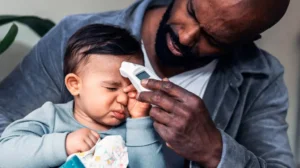
Fever in children: Know when to worry and seek medical care.
What Is Fever in Children?
Fever is a temporary rise in body temperature that usually occurs when the immune system is responding to an infection or illness.
A temperature of 38°C (100.4°F) or higher is generally considered a fever when measured appropriately. Fever itself is not usually the illness; rather, it is a sign that something may be happening in the body.
Common causes of fever in children include:
- Viral infections such as colds and flu
- Throat infections
- Ear infections
- Respiratory infections
- Urinary tract infections
- Gastrointestinal infections
- Certain bacterial infections
- Occasionally, other inflammatory or medical conditions
What Are Common Symptoms That May Occur With Fever?
Depending on the underlying cause, a child with fever may also have:
- Chills or shivering
- Sweating
- Tiredness or weakness
- Headache
- Loss of appetite
- Cough or runny nose
- Sore throat
- Vomiting or diarrhoea
- Body aches
- Irritability
A child’s overall condition is important. A child who has a fever but is alert, drinking fluids and behaving relatively normally may be less concerning than a child with a lower fever who appears unusually sleepy or unwell.
When Should Parents Worry About Fever?
Parents should pay attention not only to the temperature but also to the child’s age, symptoms, behaviour, hydration and how long the fever lasts.
Seek medical advice if your child:
- Appears unusually sleepy, confused or difficult to wake
- Has difficulty breathing or is breathing unusually fast
- Has a seizure
- Develops a stiff neck
- Has a severe or persistent headache
- Has a rash that looks unusual or does not fade when pressed
- Is repeatedly vomiting or unable to keep fluids down
- Shows signs of dehydration, such as very little urine, dry mouth or no tears when crying
- Has severe abdominal pain
- Is unusually irritable or inconsolable
- Is not responding normally or seems significantly different from usual
Fever in Babies Needs Extra Attention
Young babies require special care when they develop a fever. A baby younger than 3 months with a temperature of 38°C (100.4°F) or higher should receive prompt medical assessment.
Parents should not wait for the fever to improve on its own in very young infants.
How Long Does Fever Usually Last in Children?
The duration of fever depends on its underlying cause. Many viral illnesses improve within a few days, but persistent or recurring fever should be evaluated by a healthcare professional.
Contact a paediatrician if:
- The fever continues for several days
- The fever repeatedly returns
- Your child is becoming more unwell
- New symptoms develop
- Your child is not drinking or eating adequately
- You are concerned about your child’s condition
Rather than focusing only on the number on the thermometer, consider how your child looks and behaves.
What Can Parents Do at Home?
If your child is otherwise comfortable and does not have concerning symptoms, supportive care can help.
1. Encourage Fluids
Offer frequent fluids to help prevent dehydration. Depending on the child’s age, this may include breast milk, formula, water or other appropriate fluids.
2. Allow Plenty of Rest
Children may feel tired when they have a fever. Encourage adequate rest and avoid strenuous activity until they feel better.
3. Dress Them Comfortably
Avoid excessive clothing or heavy blankets. Dress your child comfortably according to the surrounding temperature.
4. Monitor Their Symptoms
Keep track of the temperature and watch for changes in behaviour, breathing, hydration and other symptoms.
5. Use Medicines Only as Recommended
Fever-reducing medicines may help a child who is uncomfortable, but the correct medicine and dose depend on factors such as the child’s age and weight.
Do not give aspirin to children unless specifically advised by a healthcare professional.
Parents should also avoid giving antibiotics without a doctor’s recommendation. Antibiotics do not treat viral infections and unnecessary use can cause side effects and contribute to antibiotic resistance.
Is a High Fever Always Dangerous?
Not necessarily.
The height of the fever alone does not always indicate how serious an illness is. A child with a relatively high temperature may still be alert and drinking fluids, while another child with a lower temperature may appear seriously unwell.
That’s why parents should consider:
Temperature + age + symptoms + behaviour + hydration
rather than focusing on temperature alone.
When Should You See a Paediatrician?
Consult a paediatrician if you are worried about your child’s fever, particularly when:
- Your child is very young
- Fever persists or keeps returning
- Your child has an underlying medical condition
- There are signs of dehydration
- Breathing becomes difficult
- Your child becomes unusually sleepy or unresponsive
- A seizure occurs
- A concerning rash develops
- Your child has severe pain
- Your child’s overall condition is getting worse
When in doubt, it is better to seek professional medical advice rather than trying to diagnose the cause of the fever at home.
Frequently Asked Questions About Fever in Children
What temperature is considered a fever in children?
A temperature of 38°C (100.4°F) or above is generally considered a fever.
How many days of fever is concerning in a child?
The significance depends on the child’s age, symptoms and overall condition. Fever that persists for several days, returns repeatedly or is accompanied by concerning symptoms should be discussed with a paediatrician.
Should I take my child to the hospital for a fever?
Not every fever requires hospital care. However, urgent medical attention is needed if your child has difficulty breathing, a seizure, severe dehydration, altered responsiveness, a stiff neck, a concerning rash or appears seriously unwell.
Can I give my child fever medicine?
Fever-reducing medicine may be appropriate when a child is uncomfortable, but the correct medication and dose should be based on the child’s age and weight. When unsure, consult a paediatrician.
Is fever dangerous for babies?
Fever in very young babies needs particular attention. Infants under 3 months with a temperature of 38°C (100.4°F) or higher should receive prompt medical evaluation.
Als0 Read: Fever: When to Call the Pediatrician
Final Takeaway
Fever in children is common and is often caused by infections that improve with time and supportive care. However, parents should never ignore significant changes in their child’s behaviour, breathing, hydration or responsiveness.
If your child has a persistent fever, is very young, develops worrying symptoms, or simply seems much more unwell than usual, consult a paediatrician for appropriate evaluation and treatment.
At Maiya Hospital, our paediatric care team is committed to helping parents understand their child’s symptoms and providing timely medical care when needed.
If you are concerned about your child’s fever, don’t hesitate to seek professional medical advice.