34, 10th Main Rd, 1st Block, Jayanagar
1st Block, Bengaluru, Karnataka 560011
Support Email:
info@maiyahospital.in
Emergency: 24/7
OPD: 9:00 AM - 8:00 PM
Call Us Urgent 24/7
+91 7406007777

For any medical emergency, accidents, sudden illness, or urgent care needs, please contact Maiya Multi Speciality Hospital immediately.

Our emergency team is available 24 hours a day, 7 days a week to provide quick and life-saving treatment.

Get Directions
34, 10th Main Rd, 1st Block, Jayanagar
1st Block, Bengaluru, Karnataka 560011
Support Email:
info@maiyahospital.in
Emergency: 24/7
OPD: 9:00 AM - 8:00 PM
Call Us Urgent 24/7
+91 7406007777

For any medical emergency, accidents, sudden illness, or urgent care needs, please contact Maiya Multi Speciality Hospital immediately.

Our emergency team is available 24 hours a day, 7 days a week to provide quick and life-saving treatment.

Get Directions

DJ Stenting

Expert DJ stenting at Maiya Hospital Bangalore. Ureteric stent placement for urinary obstruction, kidney stones, and post-operative drainage. Experienced urologists. Book consultation today.

Call Us when you Need Help!
24/7 Support: +91 70223 16149

About DJ Stenting

DJ stenting (Double-J ureteric stenting) is a minimally invasive endoscopic procedure in which a flexible plastic stent (tube) is placed inside the ureter — the tube connecting the kidney to the bladder. The stent has a coil at each end (double-J shape) that holds it in place in the kidney and bladder. DJ stenting relieves ureteric obstruction, maintains urine drainage, facilitates stone passage, and provides post-operative support after urological procedures.


Severe flank or back pain (renal colic) due to ureteric obstruction from a stone
Hydronephrosis — swelling of the kidney due to blocked urine flow
Decreased urine output or complete obstruction in bilateral cases
Fever and chills suggesting obstructive uropathy with infection (urological emergency)
Post-operative urine drainage issues following kidney or ureter surgery

Challenges And Treatments

Challenges Encountered

Stent discomfort and lower urinary tract symptoms are common — managed with adequate hydration and anticholinergic medication where needed
Stent migration or encrustation in long-term stents — prevented by regular stent exchange and monitoring
Failed retrograde stent placement in complete obstruction — managed with percutaneous nephrostomy as an alternative

Treatment Methods

Cystoscopic retrograde DJ stent placement — standard approach under fluoroscopic guidance
Antegrade percutaneous stent placement — for cases where retrograde approach fails
Temporary stenting — exchanged or removed at defined interval (typically 4–6 weeks)
Long-term stenting — for malignant obstruction with regular exchange every 3–6 months

Surgical Procedure

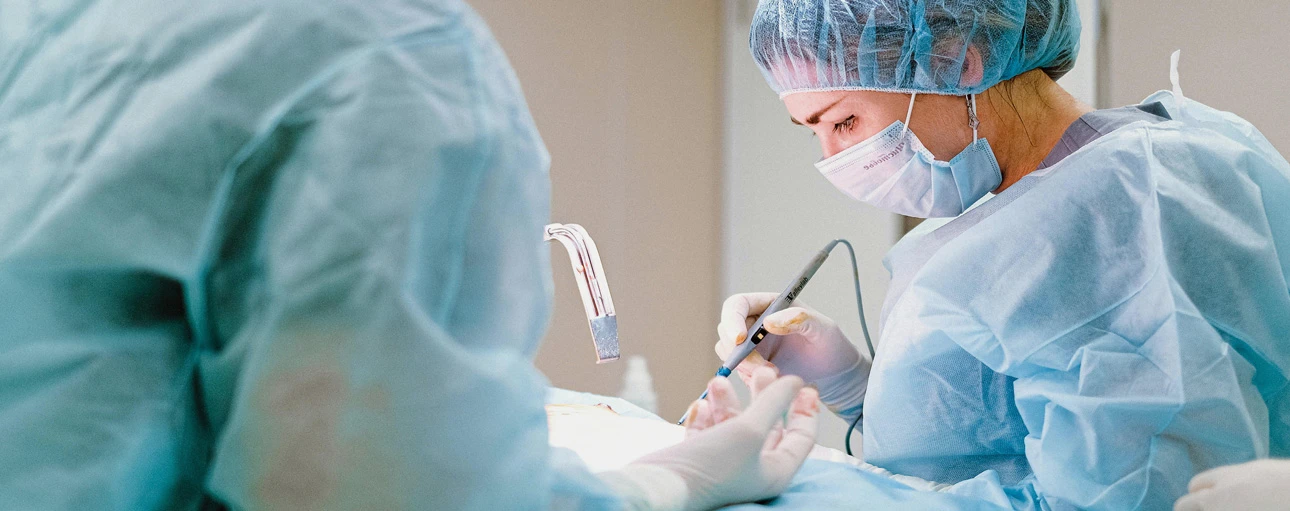
Under spinal or general anaesthesia, a cystoscope is passed through the urethra into the bladder. The ureteric orifice is identified and a guide wire is carefully advanced up the ureter under fluoroscopic (X-ray) guidance past the obstruction into the kidney. The DJ stent is then advanced over the guidewire and correctly positioned — with the upper curl in the renal pelvis and the lower curl in the bladder. The procedure typically takes 30–60 minutes.

Immediate restoration of kidney drainage and relief from severe renal colic
Rapid resolution of obstructive uropathy — fever resolves within 24–48 hours
Day-case or overnight procedure — discharge within 24 hours in most cases
Planned stent exchange or removal at defined follow-up interval