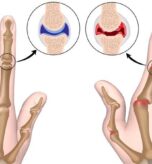

Morning joint pain is a common problem that can make it difficult to get out of bed, walk comfortably or start your daily activities. You may notice stiffness in your knees, fingers, wrists, shoulders or ankles immediately after waking up. In some cases, the discomfort disappears within a few minutes, while in others, it can last for hours.
But why do your joints hurt in the morning? Morning joint pain can be caused by several factors, including arthritis, inflammation, ageing, lack of physical activity and certain underlying health conditions.
Understanding the possible causes of morning joint stiffness can help you identify the problem and take the right steps to manage it.

Understanding the causes of morning joint pain.
7 Possible Causes of Morning Joint Pain
1. Osteoarthritis
Osteoarthritis is one of the most common causes of joint pain, particularly among older adults. It occurs when the protective cartilage between the bones gradually wears down, causing the bones to rub against each other.
People with osteoarthritis may experience:
-
Knee, hip and finger joint pain.
-
Stiffness after waking up or resting.
-
Swelling around affected joints.
-
Difficulty moving after sitting for a long time.
Morning stiffness associated with osteoarthritis usually improves within 30 minutes as you begin moving.
2. Rheumatoid Arthritis
Rheumatoid arthritis is an autoimmune condition in which the immune system mistakenly attacks the lining of the joints. This causes inflammation, swelling and pain.
Unlike ordinary muscle soreness, rheumatoid arthritis can cause prolonged morning stiffness, often lasting more than 30 minutes and sometimes several hours.
Common symptoms include:
-
Pain and swelling in the fingers and wrists.
-
Stiffness in multiple joints.
-
Warmth and tenderness around the joints.
-
Fatigue and general weakness.
Early diagnosis and treatment can help prevent long-term joint damage.
3. Poor Sleeping Position
Your sleeping position can also contribute to morning joint pain. Sleeping in an uncomfortable position for several hours may put pressure on your neck, shoulders, hips and knees.
When your joints remain in one position for a long time, you may experience stiffness or discomfort after waking up.
To reduce this problem:
-
Choose a comfortable mattress and pillow.
-
Avoid sleeping in awkward positions.
-
Use a pillow between your knees when sleeping on your side.
-
Try gentle stretching after waking up.
If the pain continues despite improving your sleeping position, consult a healthcare professional.
4. Lack of Physical Activity
A sedentary lifestyle can contribute to joint stiffness and discomfort. When you spend long hours sitting or avoid regular physical activity, the muscles supporting your joints may become weaker.
Reduced movement can also make your joints feel stiff, especially after a long night’s rest.
Some simple activities that may help include:
-
Walking for 20–30 minutes daily.
-
Gentle morning stretches.
-
Swimming or other low-impact exercises.
-
Taking short movement breaks during work.
Regular physical activity helps maintain joint flexibility and supports overall mobility.
5. Bursitis
Bursitis occurs when the small fluid-filled sacs called bursae, which cushion the bones, muscles and tendons around your joints, become inflamed.
It commonly affects the shoulders, hips, elbows and knees.
Symptoms may include:
-
Pain around the affected joint.
-
Tenderness and swelling.
-
Discomfort when moving or putting pressure on the joint.
-
Increased pain after resting in certain positions.
Resting the affected joint and avoiding activities that worsen the pain may help. Persistent symptoms should be evaluated by a doctor.
6. Vitamin D Deficiency
Vitamin D plays an important role in maintaining healthy bones and supporting muscle function. A deficiency can contribute to bone pain, muscle weakness and general body discomfort.
Some people with low vitamin D levels may experience:
-
Muscle aches and weakness.
-
Bone discomfort.
-
Difficulty climbing stairs.
-
General fatigue.
However, morning joint pain alone does not confirm vitamin D deficiency. A blood test can help determine whether your vitamin D levels are low. Take supplements only with appropriate medical advice.
7. Fibromyalgia
Fibromyalgia is a chronic condition associated with widespread musculoskeletal pain, fatigue and sleep disturbances. People with fibromyalgia may wake up feeling tired, stiff and uncomfortable even after sleeping for several hours.
Common symptoms include:
-
Widespread muscle and body pain.
-
Morning stiffness.
-
Poor-quality sleep.
-
Headaches and fatigue.
-
Difficulty concentrating.
Although fibromyalgia does not directly damage the joints, it can cause pain around the joints and throughout the body. A healthcare professional can help assess the symptoms and recommend suitable treatment.
How to Reduce Morning Joint Pain Naturally
If you regularly experience joint pain after waking up, a few lifestyle changes may help improve your comfort and mobility.
-
Start with gentle stretching: Move your arms, legs and joints slowly after waking up.
-
Stay physically active: Include walking, swimming or other low-impact exercises in your routine.
-
Maintain a healthy weight: Excess body weight can put additional pressure on weight-bearing joints, especially the knees and hips.
-
Stay hydrated: Drink enough water throughout the day to support overall health.
-
Eat a balanced diet: Include fruits, vegetables, whole grains, protein and foods containing calcium and vitamin D.
-
Improve your sleep habits: Use a comfortable mattress and maintain a consistent sleeping schedule.
-
Avoid prolonged sitting: Take regular breaks and move around during the day.
These steps may help manage mild stiffness, but they cannot replace medical treatment for underlying joint conditions.
When Should You See a Doctor for Morning Joint Pain?
Occasional stiffness after waking up may not be a serious concern. However, persistent or worsening joint pain should not be ignored.
Consult a doctor if you experience:
-
Joint stiffness lasting more than 30 minutes every morning.
-
Persistent pain that affects your daily activities.
-
Swelling, redness or warmth around the joints.
-
Pain affecting multiple joints.
-
Difficulty walking, climbing stairs or moving your fingers.
-
Joint pain that continues for more than two weeks.
Sudden severe pain in a joint, especially with swelling, warmth and fever, needs urgent medical attention because it may indicate a joint infection.
Conclusion
Morning joint pain can have several causes, ranging from poor sleeping positions and physical inactivity to conditions such as osteoarthritis and rheumatoid arthritis. While mild stiffness may improve with gentle movement and regular exercise, persistent pain or prolonged morning stiffness requires medical attention.
Pay attention to your symptoms, maintain an active lifestyle and seek professional advice when necessary. Identifying the underlying cause early can help protect your joint health and maintain better mobility.
Also Read: Joint Pain and Stiffness in the Morning and How To Reduce It
Frequently Asked Questions
1. Why do my joints hurt when I wake up in the morning?
Morning joint pain can result from prolonged inactivity during sleep, arthritis, inflammation, muscle stiffness or other underlying conditions.
2. Is morning joint stiffness a sign of arthritis?
It can be. Osteoarthritis and rheumatoid arthritis are common causes of morning joint stiffness. However, not all morning stiffness indicates arthritis.
3. How long should morning joint stiffness last?
Stiffness associated with osteoarthritis often improves within 30 minutes. Rheumatoid arthritis-related stiffness may last longer than 30 minutes or even several hours.
4. Can dehydration cause joint pain in the morning?
Dehydration can contribute to general discomfort and muscle cramps, but it is not usually considered a direct cause of persistent joint pain.
5. What is the best exercise for morning joint stiffness?
Gentle stretching, walking, swimming and low-impact exercises can help improve flexibility and mobility. Choose activities according to your comfort and medical condition.
6. Can vitamin D deficiency cause joint pain?
Vitamin D deficiency can contribute to bone discomfort and muscle weakness. However, joint pain alone is not enough to identify a deficiency.
7. Should I worry about joint pain that happens every morning?
Recurring morning joint pain should be evaluated, particularly if it lasts more than 30 minutes, affects multiple joints or comes with swelling.