
Recognising the early signs of uterine fibroids can help women seek medical advice and receive timely treatment. Although fibroids are usually not cancerous, ignoring persistent symptoms may affect daily activities, reproductive health, and overall well-being.
In this article, we explore 7 early signs of uterine fibroids, their possible causes, and when you should consult a doctor.
Understanding the 7 early signs of uterine fibroids can help women identify unusual changes in their menstrual cycle and reproductive health.
What Are Uterine Fibroids?
The 7 early signs of uterine fibroids may vary depending on the size, number, and location of the growths.
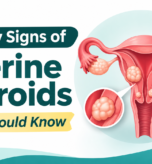
Uterine fibroids, also known as leiomyomas or myomas, are non-cancerous muscular growths that develop in the uterus. They can vary in size, ranging from tiny growths to large masses that may change the shape of the uterus.
Fibroids can develop inside the uterine wall, beneath its outer surface, or just below the inner lining. Some women may have a single fibroid, while others may develop multiple growths.
The exact cause of uterine fibroids is not fully understood. However, hormones such as oestrogen and progesterone, genetic factors, and other biological factors may influence their development.
7 Early Signs of Uterine Fibroids You Should Know
Recognising the symptoms of uterine fibroids is important because they can sometimes be mistaken for ordinary menstrual problems.
1. Heavy Menstrual Bleeding
One of the most common signs of uterine fibroids is unusually heavy menstrual bleeding. Women may experience periods that are heavier or last longer than usual.
Some common symptoms include:
-
Soaking through sanitary pads or tampons frequently.
-
Passing large blood clots during periods.
-
Experiencing menstrual bleeding that lasts more than seven days.
-
Feeling weak or tired due to excessive blood loss.
Heavy menstrual bleeding can sometimes lead to iron-deficiency anaemia, which may cause fatigue, dizziness, and weakness.
2. Severe Menstrual Cramps
Although mild cramps are common during menstruation, unusually painful or persistent cramps may indicate an underlying condition, including uterine fibroids.
Fibroids can increase pressure within the uterus and contribute to pelvic discomfort. Some women may experience pain that interferes with their daily activities, work, or sleep.
If menstrual pain becomes more severe than usual or does not improve with regular pain relief, consult a gynaecologist.
3. Persistent Pelvic Pain or Pressure
Another possible early sign of uterine fibroids is a feeling of heaviness, pressure, or discomfort in the lower abdomen or pelvic region.
Depending on their size and location, fibroids may press against nearby organs and tissues.
Women may experience:
-
A constant feeling of pressure in the lower abdomen.
-
Discomfort while sitting or standing for long periods.
-
Pain or heaviness around the pelvic area.
-
A feeling of fullness in the lower stomach.
Persistent pelvic discomfort should not be ignored, especially when accompanied by changes in menstrual bleeding.
4. Frequent Urination
Fibroids that grow towards the front of the uterus may press against the urinary bladder. This pressure can reduce the bladder’s capacity to hold urine, making women feel the need to urinate more frequently.
Possible symptoms include:
-
Visiting the bathroom more often than usual.
-
Waking up multiple times during the night to urinate.
-
Feeling an urgent need to pass urine.
-
Difficulty fully emptying the bladder in some cases.
Frequent urination can have several causes, including urinary tract infections and other bladder conditions. A medical evaluation can help identify the reason.
5. Lower Back Pain
Some women with uterine fibroids experience persistent lower back pain. This may happen when larger fibroids put pressure on nearby nerves, muscles, or surrounding structures.
The discomfort may feel like a dull ache or pressure in the lower back and sometimes extend towards the hips or thighs.
If back pain occurs along with heavy periods, pelvic pressure, or abdominal discomfort, it is worth discussing these symptoms with a healthcare professional.
6. Pain or Discomfort During Sexual Intercourse
Pain during sexual intercourse, medically known as dyspareunia, can sometimes be associated with uterine fibroids.
Depending on the size and position of the fibroids, women may experience discomfort or pain during certain positions or movements.
However, painful intercourse can also result from other gynaecological conditions. It is important to consult a doctor rather than assuming fibroids are the cause.
7. Abdominal Swelling or Enlargement
Larger uterine fibroids can cause the lower abdomen to appear swollen or enlarged. Some women may notice that their stomach feels fuller even without significant weight gain.
Other possible symptoms include:
-
A feeling of fullness in the lower abdomen.
-
Increased abdominal size.
-
Pressure or heaviness around the waist.
-
Discomfort when wearing tight-fitting clothes.
If you notice unexplained abdominal enlargement or persistent bloating, seek medical advice to identify the underlying cause.
What Causes Uterine Fibroids?
The exact cause of uterine fibroids is not fully known. However, several factors may contribute to their development.
Some possible factors include:
-
Hormonal changes: Oestrogen and progesterone may influence fibroid growth.
-
Family history: Women with a family history of uterine fibroids may have a higher risk.
-
Age: Fibroids are more commonly diagnosed during the reproductive years.
-
Body weight: Obesity may be associated with an increased risk of developing fibroids.
-
Genetic factors: Certain genetic changes in uterine muscle cells may contribute to fibroid development.
These factors do not mean that every woman will develop fibroids.
How Are Uterine Fibroids Diagnosed?
If you experience symptoms associated with uterine fibroids, a gynaecologist may recommend a few medical examinations to confirm the diagnosis.
Common diagnostic methods include:
1. Pelvic Examination
The doctor examines the pelvic area to check for changes in the size or shape of the uterus.
2. Ultrasound Scan
An ultrasound is commonly used to identify uterine fibroids. It helps determine their size, number, and location.
3. Blood Tests
Blood tests may be recommended to check for anaemia caused by heavy menstrual bleeding.
4. MRI Scan
In certain cases, an MRI may be suggested to provide more detailed images of the uterus and fibroids.
The diagnostic approach depends on the symptoms and individual medical history.
Treatment Options for Uterine Fibroids
Recognising the 7 early signs of uterine fibroids early can help women seek appropriate medical evaluation and understand their treatment options.
Treatment for uterine fibroids depends on their size, location, symptoms, age, and whether a woman plans to become pregnant in the future.
Not every fibroid requires treatment. Women without symptoms may only need regular monitoring.
Some common treatment options include:
-
Medication: Certain medicines can help manage heavy menstrual bleeding and menstrual pain.
-
Hormonal treatment: Hormonal medications may help control bleeding and other symptoms.
-
Myomectomy: A surgical procedure that removes fibroids while preserving the uterus.
-
Uterine Artery Embolisation: A procedure that reduces the blood supply to fibroids, causing them to shrink.
-
Hysterectomy: Surgical removal of the uterus, which is a permanent treatment option for uterine fibroids.
A gynaecologist can recommend the most appropriate treatment based on individual health needs and reproductive plans.
When Should You Consult a Doctor?
You should consult a gynaecologist if you experience persistent menstrual changes, unusually heavy bleeding, severe pelvic pain, or frequent urination.
Seek urgent medical attention if you experience very heavy vaginal bleeding or sudden, severe pelvic pain.
Early medical evaluation can help identify the cause of your symptoms and prevent complications associated with untreated fibroids.
Also Read: Uterine Fibroids: Causes, Symptoms & Treatment
Conclusion
Being aware of the 7 early signs of uterine fibroids is an important step towards protecting women’s reproductive health.
Uterine fibroids are common, non-cancerous growths that can affect women’s reproductive health and quality of life. While some women experience no symptoms, others may notice heavy periods, severe cramps, pelvic pressure, frequent urination, or lower back pain.
Understanding the 7 early signs of uterine fibroids can help women recognise unusual changes in their bodies and seek timely medical advice. Regular gynaecological check-ups and appropriate medical care can help manage symptoms and support long-term reproductive health.
Remember, not every symptom indicates uterine fibroids. A proper medical examination is essential for an accurate diagnosis.