Arthroscopy
- Home
- Case Studies
- Arthroscopy
About Laparoscopic Hysterectomy
Laparoscopic hysterectomy is the surgical removal of the uterus using minimally invasive keyhole techniques. It is performed for a variety of gynaecological conditions and offers significant advantages over traditional open (abdominal) hysterectomy — including smaller incisions, less blood loss, reduced post-operative pain, faster recovery, and a much shorter hospital stay. Our gynaecology team performs both Total Laparoscopic Hysterectomy (TLH) and Laparoscopic-Assisted Vaginal Hysterectomy (LAVH) depending on the clinical indication.
Challenges And Treatments
Challenges Encountered
Treatment Methods
Surgical Procedure
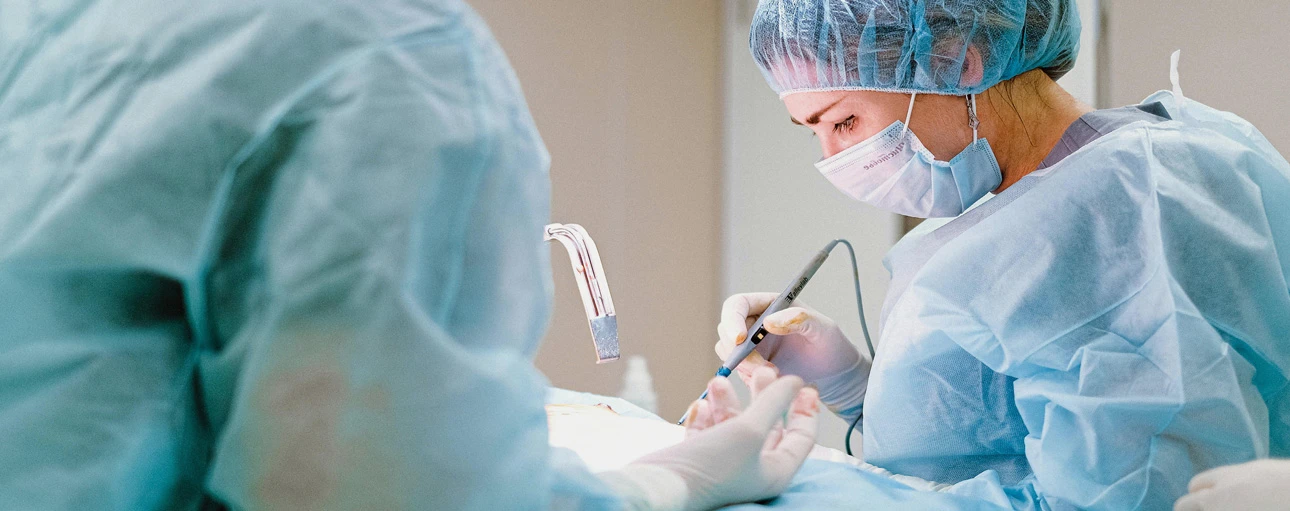
Under spinal or general anaesthesia, 2–3 small incisions (5 mm) are made around the affected joint. The arthroscope is inserted through one portal, providing high-definition visualisation of the joint interior. Through the other portals, surgical instruments (shaver, grasper, cutter) are inserted to perform the required procedure — meniscectomy, ligament reconstruction, loose body removal, or repair. The joint is washed out at the end and the tiny incisions are closed with sutures or steri-strips.