Laparoscopic Gall Bladder Removal
- Home
- Case Studies
- Laparoscopic Gall Bladder Removal
About Laparoscopic Gall Bladder Removal
Laparoscopic gallbladder removal (cholecystectomy) is the surgical removal of the gallbladder using minimally invasive keyhole techniques. The gallbladder is a small organ beneath the liver that can develop painful gallstones or inflammation, requiring surgical removal. Laparoscopic cholecystectomy is the gold-standard treatment — using 3–4 small incisions rather than a single large open incision, resulting in less pain, shorter hospital stay, and faster recovery.
Challenges And Treatments
Challenges Encountered
Treatment Methods
Surgical Procedure
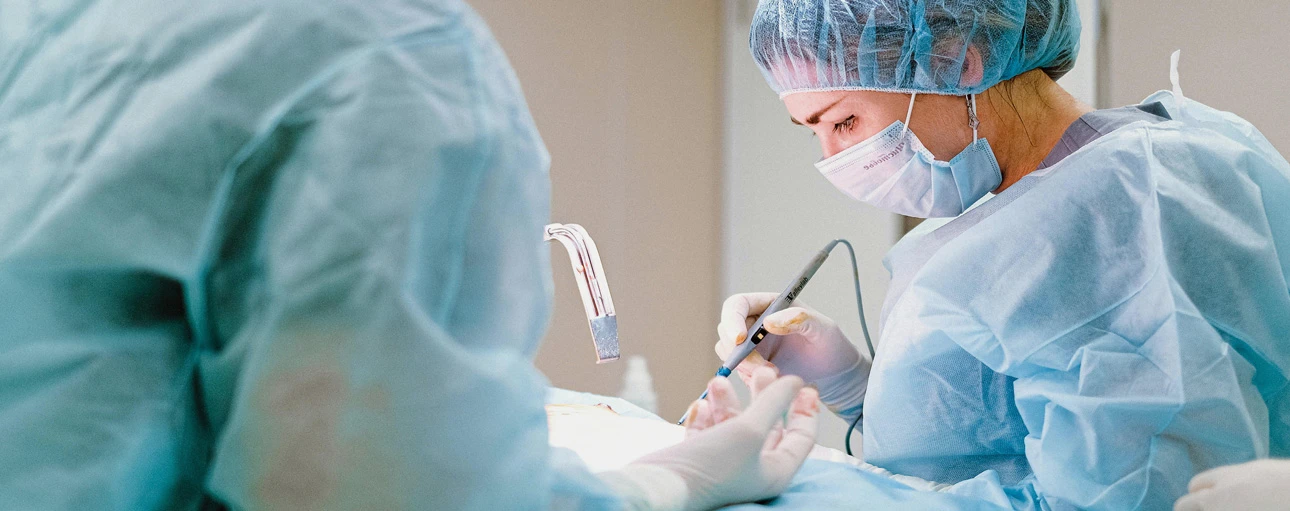
Under general anaesthesia, 3–4 small incisions (5–10 mm) are made on the abdomen. Carbon dioxide gas is used to inflate the abdominal cavity for better visualisation. The laparoscope is inserted through one port for camera guidance, and surgical instruments through the others. The cystic duct and cystic artery are carefully identified, clipped, and divided. The gallbladder is then freed from the liver bed and removed through one of the port sites. The procedure typically takes 1–1.5 hours.